
TRUCKING & 18-WHEELER CRASHES · TEXAS
Texas truck accident lawyers built for serious cases.
When an 18-wheeler or commercial vehicle causes a serious injury, the case is rarely just a car wreck with a bigger vehicle. LOAR is a woman-owned Texas trial firm that prepares trucking cases for the courtroom from day one.
Free & Confidential Case Review
Tell us what happened — takes 30 seconds
Your name, the best number to reach you, and a sentence about the incident. A LOAR case manager reviews every submission personally. No attorney fee unless a recovery is obtained.
Submitting this form does not create an attorney-client relationship.
Defense-side perspective Our founder began at Baker Botts, defending institutional clients. See how that shapes a case
Deliberate case selection Serious matters, staffed properly — not carried as volume. How LOAR evaluates a case
Trial-ready investment The firm advances the cost of investigation, experts and testing. How LOAR builds serious cases
Personal stewardship A LOAR case manager reviews every inquiry personally — no call center. Talk to LOAR
Why Trucking Cases Are Different
A company is usually on the other side.
A serious commercial-vehicle crash almost always involves more than a driver. Motor carriers, brokers, shippers, maintenance contractors, and their insurers may all play a role — and many begin building their defense within hours of the crash, sometimes with rapid-response teams at the scene.
Federal motor-carrier safety regulations govern how commercial drivers are hired, trained, tested, dispatched, and rested, and how equipment is inspected and maintained. Whether those rules were followed is often at the center of the case.
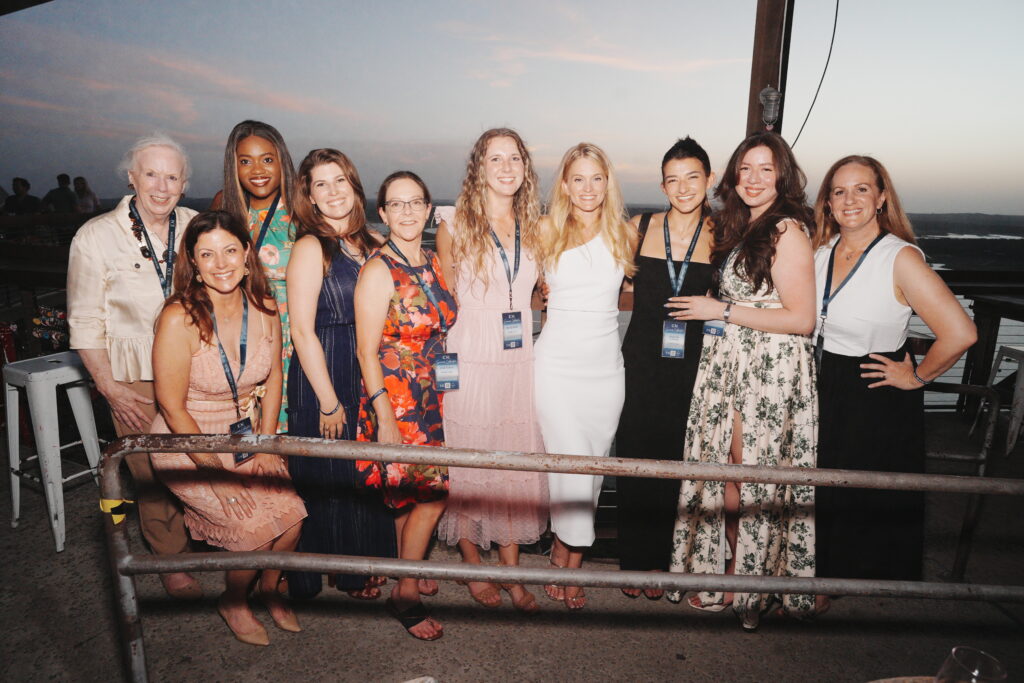
LOAR founder Amber Russell began her career defending large institutional clients before dedicating her practice to injured people. That defense-side experience shapes how the firm anticipates the arguments trucking defendants make — and how it prepares to answer them.
Evidence That Decides Trucking Cases
What we move to preserve — quickly.
Much of the most important evidence in a trucking case belongs to the trucking company, and some of it can be overwritten or destroyed in the ordinary course of business. LOAR sends preservation demands early and follows through in discovery.
Electronic Data
Engine control modules, electronic logging devices, telematics, GPS, and dash-camera footage that show speed, braking, and hours behind the wheel.
Driver Records
Qualification files, training history, hours-of-service logs, prior violations, and post-crash drug-and-alcohol testing.
Company Practices
Hiring, dispatch, load, and scheduling records — and the safety policies that show what the company knew and required.
Maintenance History
Inspection, repair, and out-of-service records for the tractor and trailer, including brakes, tires, and lights.
The Scene & Vehicles
Photographs, physical evidence, roadway data, and preservation of the vehicles themselves for expert inspection.
Reconstruction & Experts
Accident reconstruction, trucking-safety experts, and medical experts who connect the evidence to what happened and what it caused.
How LOAR Builds a Trucking Case
Preparation starts early.
The firm’s process is designed to protect evidence and build the case properly from the first call.
Step 1
Listen
What happened, how you are doing, and what urgent issues need attention right now.
Step 2
Preserve
Preservation demands, vehicle holds, scene documentation, and early expert involvement.
Step 3
Develop
Liability, regulatory compliance, medical proof, damages, and insurance-coverage analysis.
Step 4
Resolve or Try
Pursue fair resolution when possible — fully prepared for trial when it is not.
Damages in Serious Truck-Crash Cases
Accounting for the full impact — now and later.
Serious trucking crashes often cause injuries with long recovery timelines: fractures, spinal injuries, brain injuries, amputations, and losses that change how a family lives and works. Texas law allows injured people to pursue compensation for medical care, future treatment, lost income and earning capacity, physical pain, impairment, and other losses the evidence supports.
LOAR works with medical and economic experts where appropriate to document future care needs and long-term financial impact, so any resolution reflects what the injury actually means for the client’s life — not just the bills that have arrived so far.
For Referring Attorneys
A trusted partner for serious trucking and commercial-vehicle referrals.
Your client remains a reflection on you. LOAR treats a referred client the way it treats its own, and treats the referring lawyer as a long-term professional relationship rather than a transaction. The firm manages the case work and litigation expenses, keeps referral partners informed at major milestones, and documents the referral relationship properly at the start of the case.
Referral partners receive a portion of the attorney’s fee, typically one-third, when the arrangement is properly documented and permitted by applicable rules.
Texas Truck Accident FAQ
Answers before you reach out.
What makes an 18-wheeler crash different from a car wreck?
Commercial trucking cases usually involve a business, not just a driver. Federal safety regulations, driver qualification files, hours-of-service logs, electronic logging devices, maintenance records, and company policies can all become evidence. The defense often begins investigating within hours, so early preservation matters.
What evidence should be preserved after a truck crash?
Electronic control module and telematics data, dash-camera footage, driver logs and qualification files, drug-and-alcohol testing records, maintenance and inspection records, dispatch and load documents, and the vehicles themselves. LOAR sends preservation demands early so this evidence is not lost, overwritten, or destroyed.
How long do I have to bring a trucking-injury claim in Texas?
Strict filing deadlines apply in Texas and can be shorter for certain claims. Because trucking evidence can disappear far sooner than any legal deadline, speak with an attorney promptly to protect your rights.
How much does it cost to hire LOAR for a trucking case?
Consultations are free. LOAR works on a contingency fee — no attorney fee unless the firm recovers compensation for you. The firm advances the significant investigation and expert costs these cases require.
I’m a lawyer with a trucking case to refer. How does that work?
LOAR accepts trucking and commercial-vehicle referrals from attorneys. The firm handles the case work and expenses, keeps you informed at major milestones, and documents the referral arrangement at the start of the case. Visit the Attorney Referral Program page or call to discuss a matter.
By Amber Russell, Founder, LOAR PLLC · Reviewed and updated July 12, 2026. This page provides general legal information about Texas trucking and commercial-vehicle injury claims and is not legal advice. Contacting LOAR does not create an attorney–client relationship. Every case is different, and past results do not guarantee future outcomes.
Make the call that matters.
If you or someone you care about was seriously hurt in a crash with a commercial vehicle — or you’re an attorney evaluating a referral — LOAR can help assess the next step.
Authoritative sources
This page references publicly available information from the following authorities:
Preservation and proof
The evidence in a trucking case can disappear fast.
Commercial-vehicle cases can involve evidence that changes or disappears quickly. Depending on the facts, LOAR may seek preservation of electronic logging-device records, engine-control and event data, telematics, GPS, dispatch communications, driver qualification and training files, hours-of-service records, inspection and maintenance histories, dash-camera footage, load information, and corporate safety materials. Our attorneys may work with reconstructionists, trucking-safety professionals, digital-forensics specialists, human-factors experts, and mechanical engineers to test how the crash occurred and whether company systems, driver conduct, maintenance, or equipment failure contributed.
Phone, device, and digital evidence.
Phones, applications, location information, communications, photographs, video, metadata, vehicle systems, and corporate platforms may contain relevant evidence. When lawful and appropriate, LOAR works to preserve and obtain that information through consent, agreement, subpoena, discovery, or court process, and may retain qualified digital-forensics professionals to acquire, validate, analyze, and explain the data.
Experts do not replace attorney judgment. LOAR’s attorneys define the legal questions, select the disciplines that may help, test assumptions, challenge unsupported conclusions, and integrate the work into a coherent case. Every case is different; the evidence and experts that matter depend on the facts.
When a crash derails the life you were building
LOAR’s message to the families it represents after a serious collision.
Related reading: What evidence should be preserved immediately after an 18-wheeler crash and how damages are evaluated in serious injury cases.